Overview
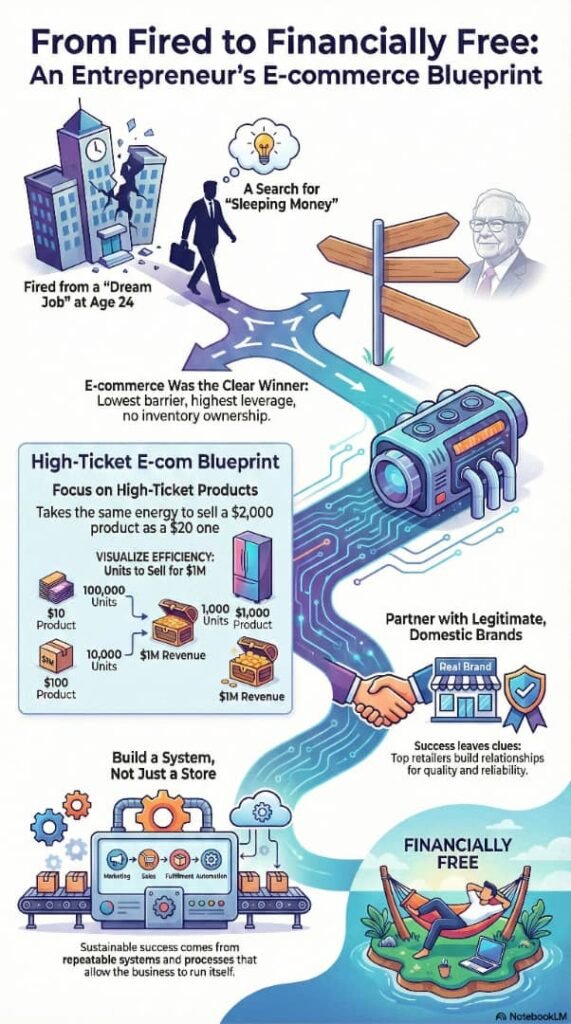
This interview chronicles the professional transformation of *Ernest Epps, who transitioned from a high-pressure corporate career to becoming a leading **e-commerce and drop shipping expert. After being fired at age 24, Epps shifted his focus to building *high-ticket online retail stores that prioritize selling expensive branded products over low-cost novelty items. He explains that drop shipping is a centuries-old fulfillment method rather than a modern fad, emphasizing the importance of establishing *legitimate partnerships with domestic suppliers. Epps highlights how *automated systems and delegating operations to teams can create a business that generates revenue independently of the owner’s time. By focusing on *niche markets, he argues that entrepreneurs can achieve significant financial freedom with fewer transactions. Ultimately, the source serves as both a *personal success story and a strategic guide for those seeking to build scalable, sustainable businesses through digital commerce.
This website contained affiliate links
Podcast Audio Spotify
Video Transcript
Teach me the core principles of drop shipping for beginners.
Drop shipping is a fulfilment mechanism where you act as an online retailer without holding physical stock. When a customer purchases a product from your store, you forward the order to a supplier or manufacturer, who then ships the item directly to the customer.
The Mechanics of Drop Shipping
The core appeal of this business model is the leverage it provides. It allows you to operate an online store with access to millions of pounds worth of inventory that you do not have to pay for upfront.
• Payment Flow: You receive the profit from a transaction first, and only then do you pay the supplier for the purchase order.
• Fulfilment: The manufacturer’s warehouse handles the logistics and shipping directly to the consumer.
• Accessibility: Because the internet is “on” 24/7, transactions can occur at any time, allowing you to generate revenue while you sleep.
——————————————————————————–
Core Principles for Beginners
1. Focus on “High Ticket” E-commerce
Many beginners focus on small, inexpensive gadgets, but expert Ernest Epps suggests focusing on high-ticket items (e.g., products costing £800 to £2,000).
• Efficiency: It takes the same amount of time, energy, and marketing effort to sell a £20 product as it does a £2,000 product.
• Profitability: Selling just a few high-priced items per week (such as electric fireplaces) can generate a full-time income more easily than selling thousands of low-cost units.
2. Build Relationships with Domestic Brands
Working with overseas suppliers often leads to long lead times, poor quality control, and difficult returns. Instead, you should:
• Partner with established brands: Seek out domestic manufacturers who offer better operational stability and legal protection.
• Professionalise your business: To get contracts with big brands, you must be a legitimate registered entity with a business phone number, email, and professional website.
3. “The Riches are in the Niches”
Attempting to sell everything to everyone is rarely successful. It is much easier to attract customers by focusing on a specific niche and serving that ideal prospect at the highest level. You do not need a massive market share; capturing a tiny fraction of a specific niche (like high-end fireplaces) can be highly lucrative.
4. Systems for Scalability
Success in drop shipping is a system, not a one-time event.
• Automation: Once you understand the fundamentals of advertising and operations, you can hire virtual assistants to run day-to-day tasks.
• Sustainability: Having documented processes allows the business to remain sustainable even during recessions or global changes